On October 8, 2026, I packed my fishing rod and headed to Seokmun Breakwater in Dangjin, on South Korea’s west coast.
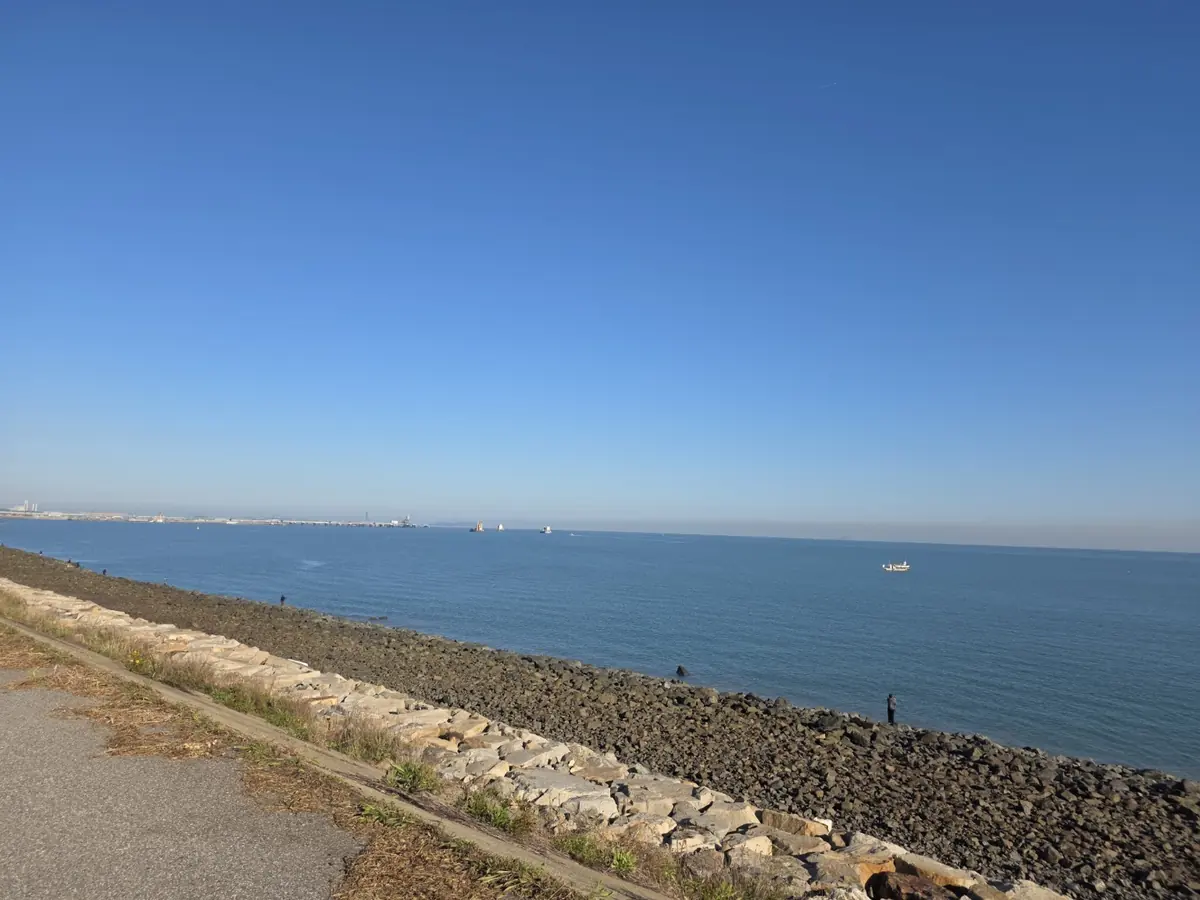
There was hardly any wind. I usually imagine the West Sea with waves and a salty breeze, but the water was surprisingly calm. The sky was clear, and I could make out the boats sitting far out on the horizon.
I’d expected a cool autumn morning. As the sun climbed, though, it became almost uncomfortably warm for October.
I came here to fish, but watching the still water turned out to be just as much a part of the day.
Starting at marker 18
Seokmun Breakwater has numbered markers running from 1 to 30. We settled in around marker 18.
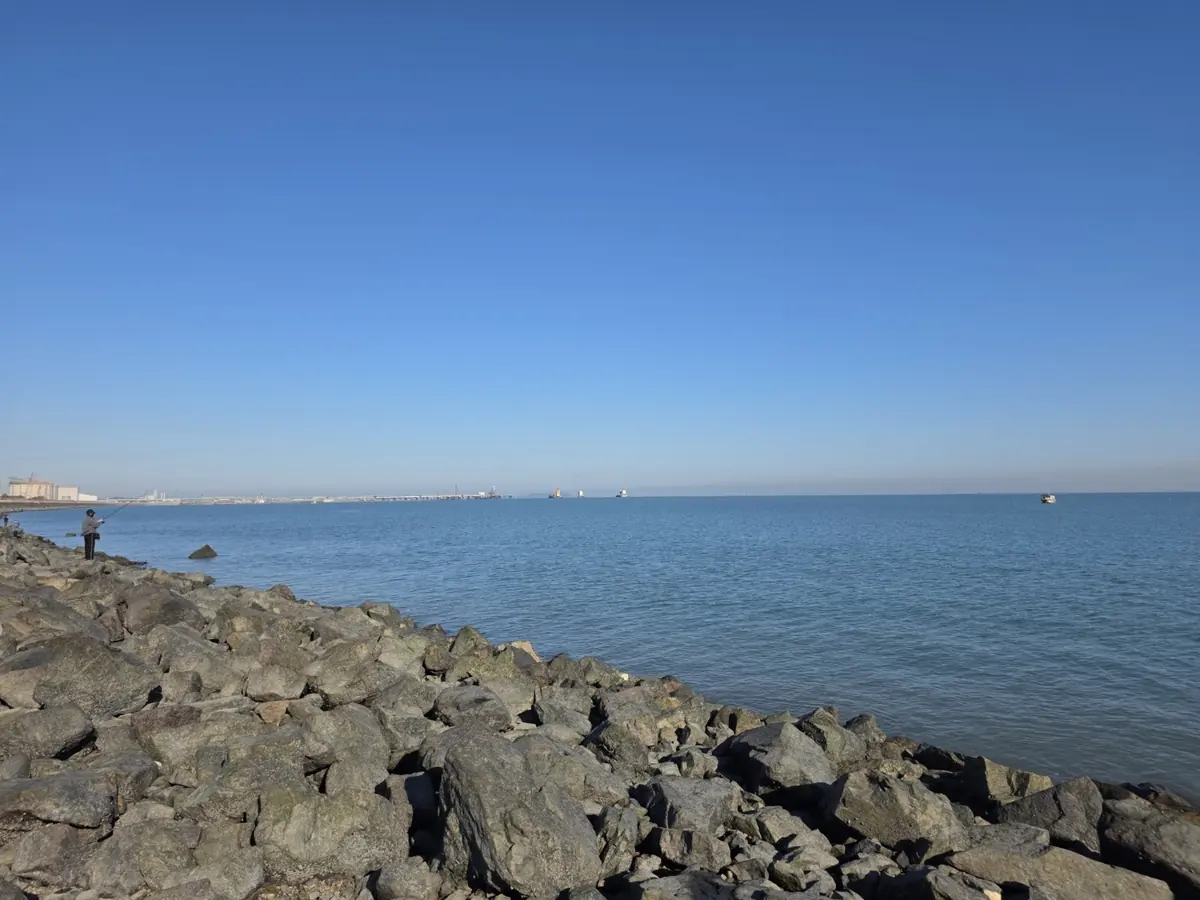
The seaward side is lined with large, uneven rocks. From a distance the shoreline looks repetitive, but up close the slopes, gaps and waterline change from one stretch to the next.
A few other anglers were fishing at different spots along the rocks. There was plenty of open sea to look at between casts.
Why tides matter for shore fishing here
For walk-in fishing on Korea’s west coast, good weather is only part of the plan.
Low and high tides can completely change the water level, where you can stand, and how easily you can return.
The Korea Hydrographic and Oceanographic Agency provides predicted high and low tide times and water levels by date and forecast location. Its sea-fishing index can offer another point of reference before setting out.
A tide chart isn’t a substitute for watching the actual shoreline. Water may move differently around the rocks and channels from what you expect just by reading a predicted time.
I can’t say exactly what time I started fishing that day, but I remember beginning as the tide was going out and staying until it seemed to start coming back in.
As the tide rises, rocks that were easy to cross earlier can become much harder to navigate. It’s worth deciding on a safe way back before worrying about the next cast.
One webfoot octopus and a lot of waiting
People fish this part of the west coast for a variety of species. Anglers talk about flounder, rockfish and sea bass, while autumn also brings people hoping for webfoot octopus (jjukkumi). Fishing around nearby harbors may involve other species, depending on the season, method and exact spot.
I had high hopes when I started working along the stretch around marker 18.
It didn’t quite go to plan.
After all that time, I had seen just one webfoot octopus.
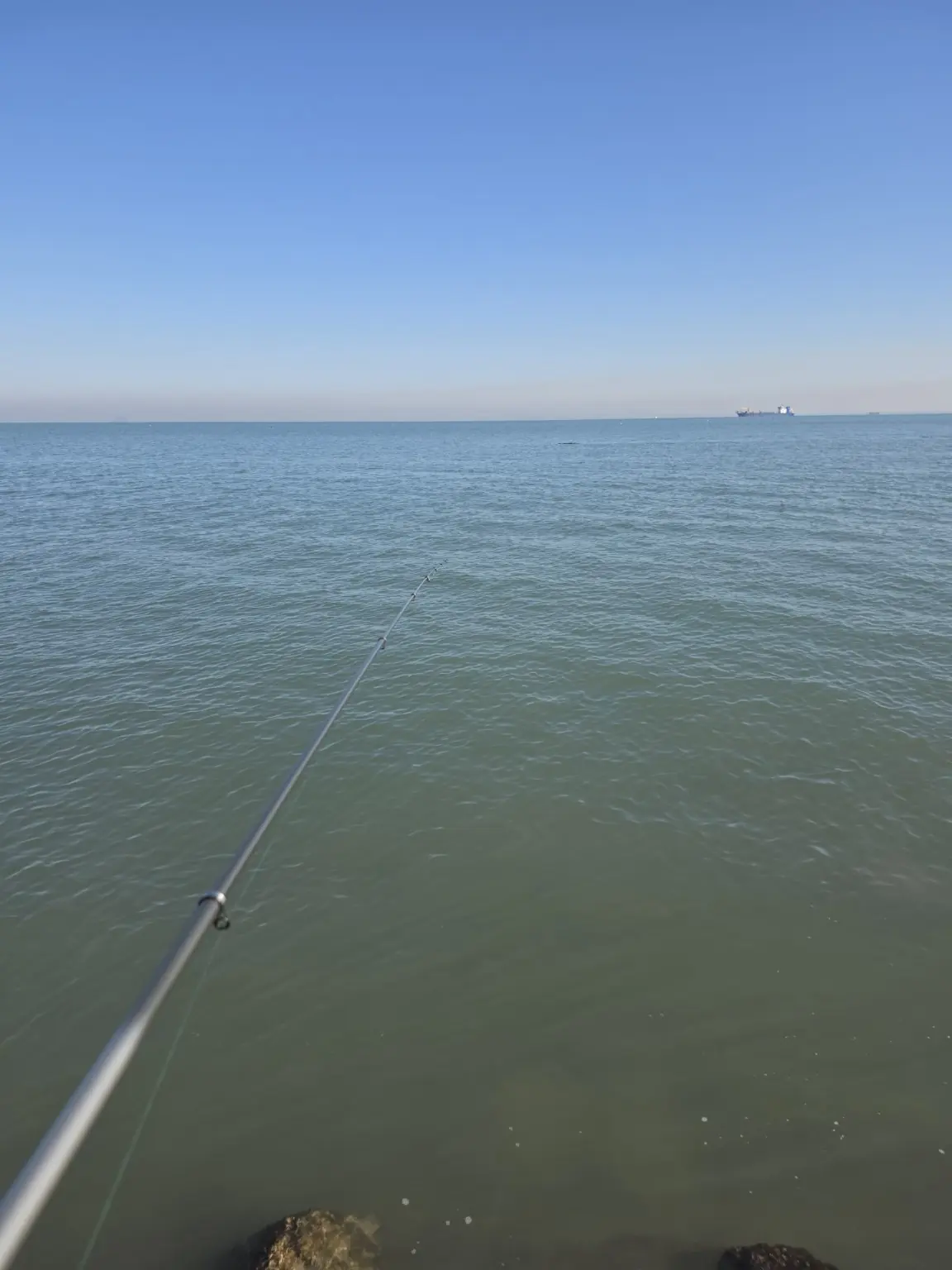
Maybe it was my technique. Maybe it was the tide, or just the luck of the day. I honestly couldn’t tell. In between casts, I’d find myself watching distant boats, and a surprising amount of time passed that way.
Not much of a catch, but a long and peaceful look at the sea.
Lunch, then Gagok Wharf and Masem Harbor
After fishing, we stopped for lunch and went on to Gagok Wharf and Masem Harbor.
Gagok Wharf is a small waterfront area around Gagok-ri, near the approach to the breakwater. Some maps and local references also use the names Seonggumi Port or Sinseonggumi Harbor, so it may help to check those names when planning a visit.
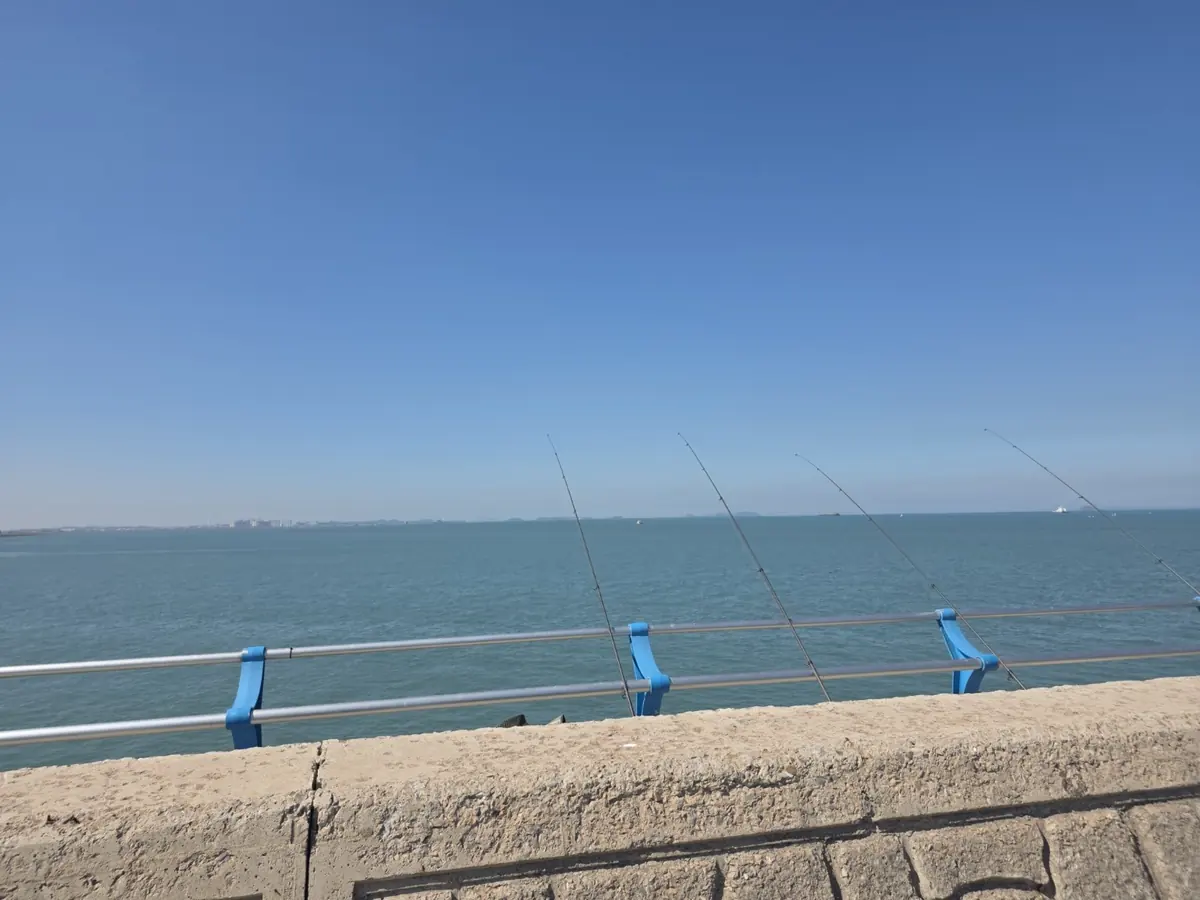
The view was different from the long, open breakwater. At the wharf, fishing rods and moored boats felt a little closer to everyday harbor life.
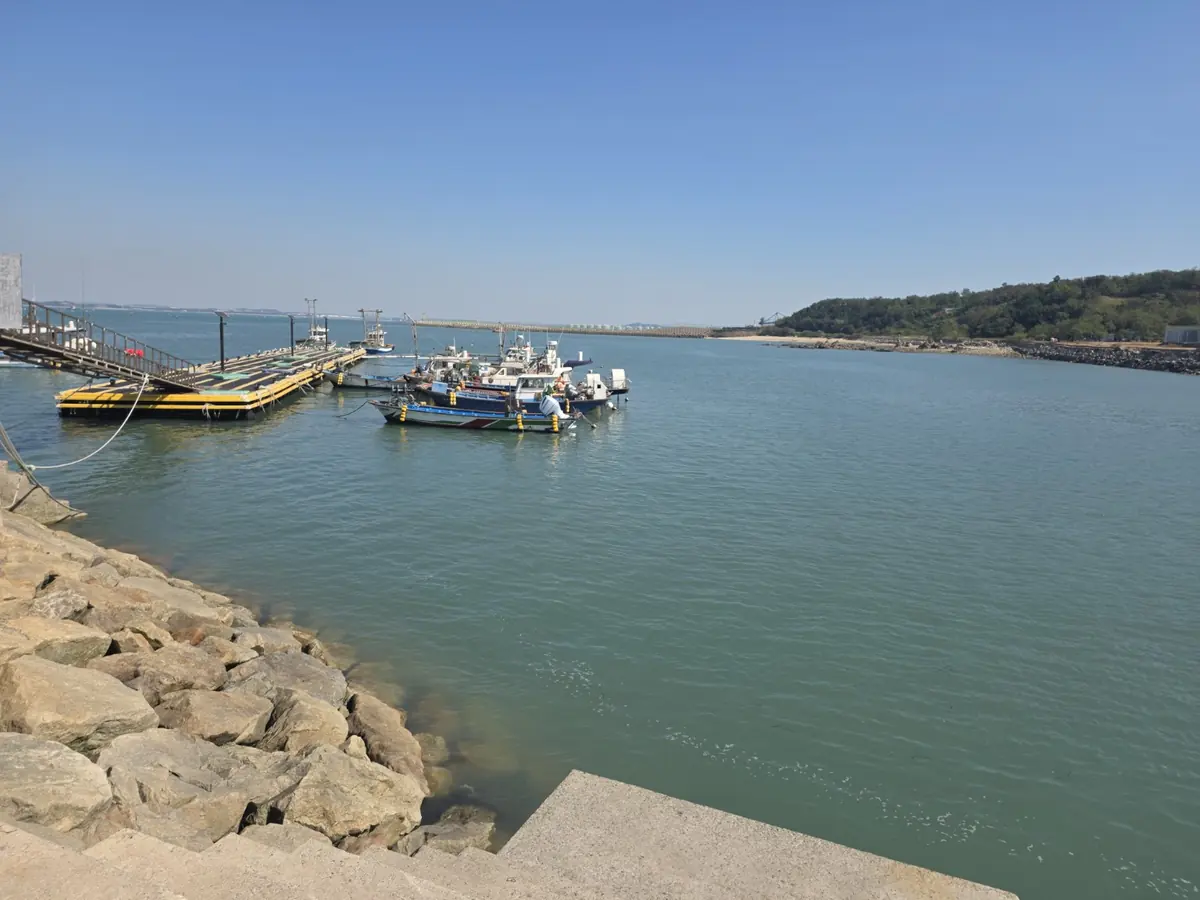
We then visited Masem Harbor, a small port at the far end of the Seokmun Breakwater area.
The Korea Tourism Organization describes Masem Harbor as a place where wide tidal flats are exposed at low tide, also known locally for skate fish.
When we arrived, several small fishing boats were moored together. After hours of looking at an uninterrupted horizon, that quiet corner of the port had a different charm.
Roadworks made Masem Harbor harder to reach
The most confusing part of the short drive was getting to Masem Harbor.
On October 8, 2026, roadworks prevented us from taking the direct road to the harbor, and we had to make a detour.
Having the destination in navigation didn’t mean the suggested route would be open. It would have been easy to lose a little time finding the correct way in.
That describes the road conditions on our visit, not a permanent closure. Construction and access arrangements can change, so check an up-to-date map and follow road signs on the day.
A few things worth checking before fishing
The most important preparation for Seokmun Breakwater is not how many fish you expect to catch, but whether the tide, weather and access conditions are safe.
- Tides: Check the predicted high/low tide times and rising water levels, and plan a safe return route.
- Restricted access: Pyeongtaek Coast Guard has designated the shoreline near markers 22–30 as restricted at night and during marine weather advisories. Always follow the actual signs at your spot.
- Rocky terrain: Expect large gaps and slippery stones. Bring a life jacket and appropriate slip-resistant footwear.
- Autumn sun: Even in October, a windless clear day can feel hot. Bring water, sun protection and a hat.
- Webfoot octopus closed season: The general restriction published by the Ministry of Oceans and Fisheries runs from May 11 through August 31. Check the current regulations and any local rules before fishing.
- Facilities: Parking and toilets are not the same at every numbered section; check the area where you intend to stop.
- Harbor access: Roadworks and temporary barriers may change the route to Masem Harbor. Do not enter closed roads or construction sites.
I also make a point of packing out used fishing line, tackle and any other rubbish.
A small catch, a full day
I would have loved to catch more. There are all kinds of fish I’d like to see on the end of a line, and this wasn’t my lucky day.
But it didn’t feel like a wasted trip.
We spent hours with almost no wind, had lunch, and stopped at two small harbors we hadn’t explored before.
Judged only by the catch, it was a modest day. Judged by the time we spent by the sea, it was exactly the kind of break I’d been hoping for.
PRACTICAL INFO
- Visited: 2026-10-08
- Area: Songsan-myeon and Seokmun-myeon, Dangjin, Chungcheongnam-do, South Korea
- Route: Seokmun Breakwater → lunch → Gagok Wharf → Masem Harbor
- Fishing spot: Near marker 18 at Seokmun Breakwater
- Catch: One webfoot octopus (jjukkumi)
- Conditions during our visit: Almost no wind, calm sea, strong sunshine later in the morning
- Seokmun Wharf reference address: 707 Seokmunbangjoje-ro, Songsan-myeon, Dangjin. This is not the exact GPS coordinate of fishing marker 18.
- Gagok Wharf: Gagok-ri, Songsan-myeon, Dangjin; also search for Sinseonggumi / Seonggumi Port.
- Masem Harbor: San 1, Janggohang-ri, Seokmun-myeon, Dangjin (tourism-directory reference address)
- Masem Harbor access: The direct road was blocked by nearby construction on our visit; check current conditions.
- Coast Guard restriction: Seawards near markers 22–30 during the period from 30 minutes after sunset until 30 minutes before sunrise and during active marine weather advisories; obey current local signs.
- Safety: Check tides, weather alerts and site-specific restrictions, and wear a life jacket and suitable footwear.
- Information checked: 2026-10-09