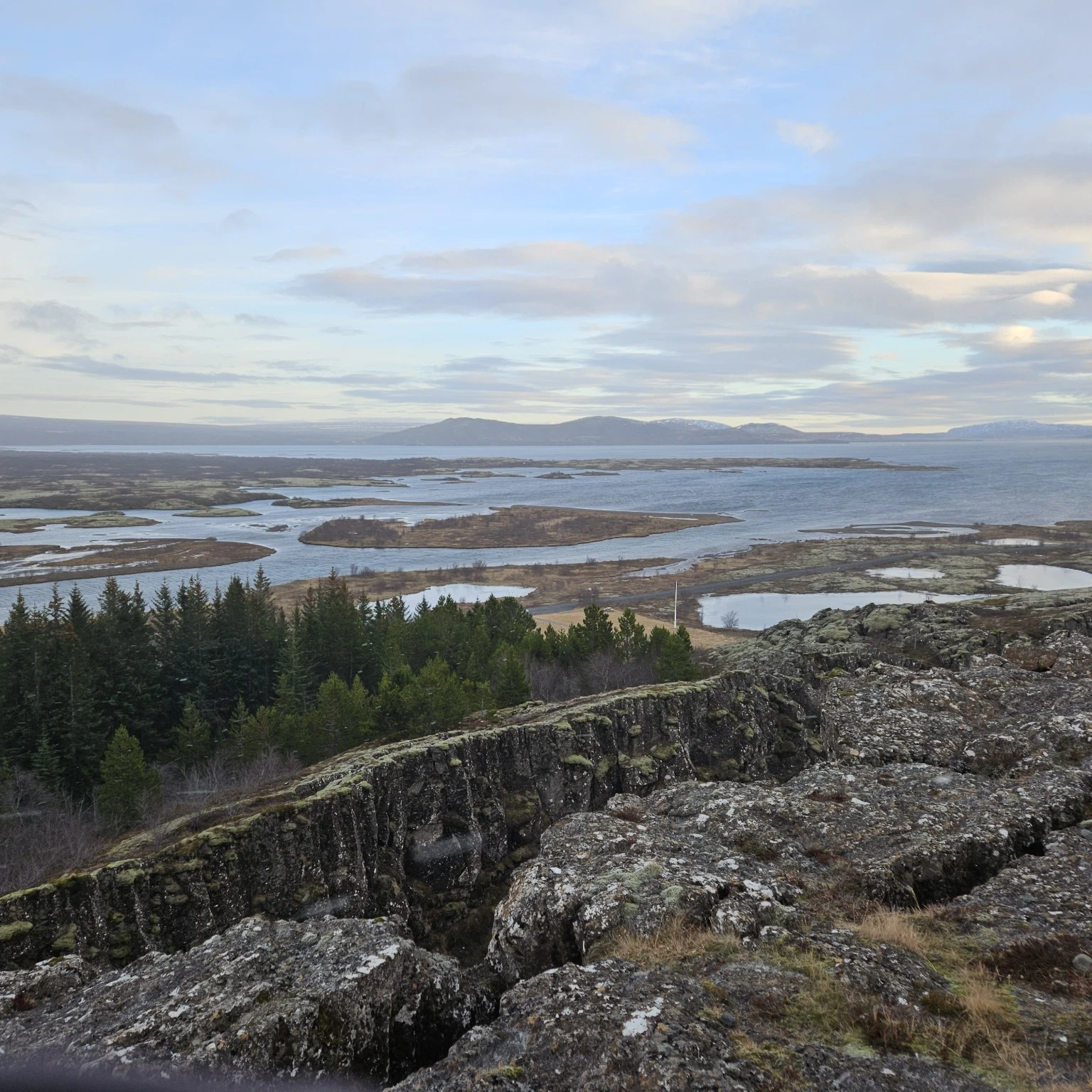
Iceland’s reputation as the land of ice and fire also describes something very practical about traveling there: the weather can change the direction of a trip quickly.
A clear morning can turn into strong wind, snow or difficult road conditions a few hours later, and conditions can be completely different in another part of the country.
For me, the most useful habit was not simply following the itinerary. It was repeatedly checking weather, roads and safety information and being willing to change the plan.
Apps and sites worth preparing before the trip
1. SafeTravel Iceland — safety alerts and travel conditions
Weather and road conditions in Iceland can change quickly.
SafeTravel Iceland is an official source for travel safety information and alerts. It is operated by ICE-SAR, the Icelandic Association for Search and Rescue, and its app helps travelers stay informed about current conditions.
For hiking or long driving days, I would check it before leaving and again if the weather changed during the day.
2. Veður — Icelandic weather information
In Iceland, the forecast is not only about whether it will rain. Wind, cloud cover and regional differences can matter just as much.
The Icelandic Meteorological Office provides nationwide forecasts for wind, precipitation and local conditions.
A useful routine was to check the next day’s route the night before, then look again shortly before leaving.
3. Road.is — check the road before driving it
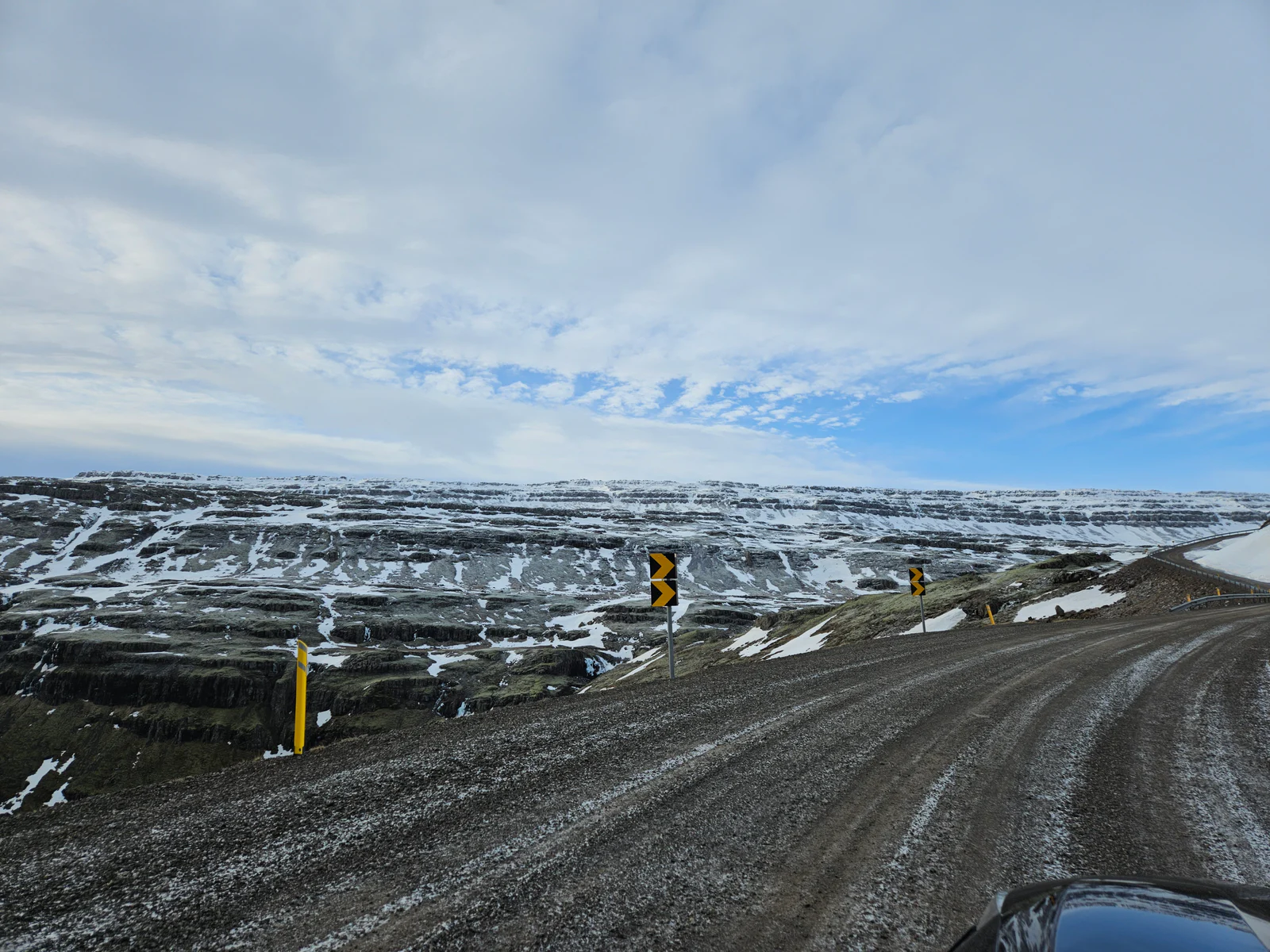
For a Ring Road trip, road information is just as important as the weather.
Check whether roads are open, restricted or affected by difficult surface conditions before setting off. This matters especially in winter and during severe weather.
4. Parka / EasyPark — useful for parking
Paid parking is common in Reykjavík and at some popular destinations.
Having apps such as Parka or EasyPark ready can save time when you reach a car park, although the supported payment system varies by location. Always follow the signs at the specific car park first.
5. Aurora forecast — do not look only at the activity number
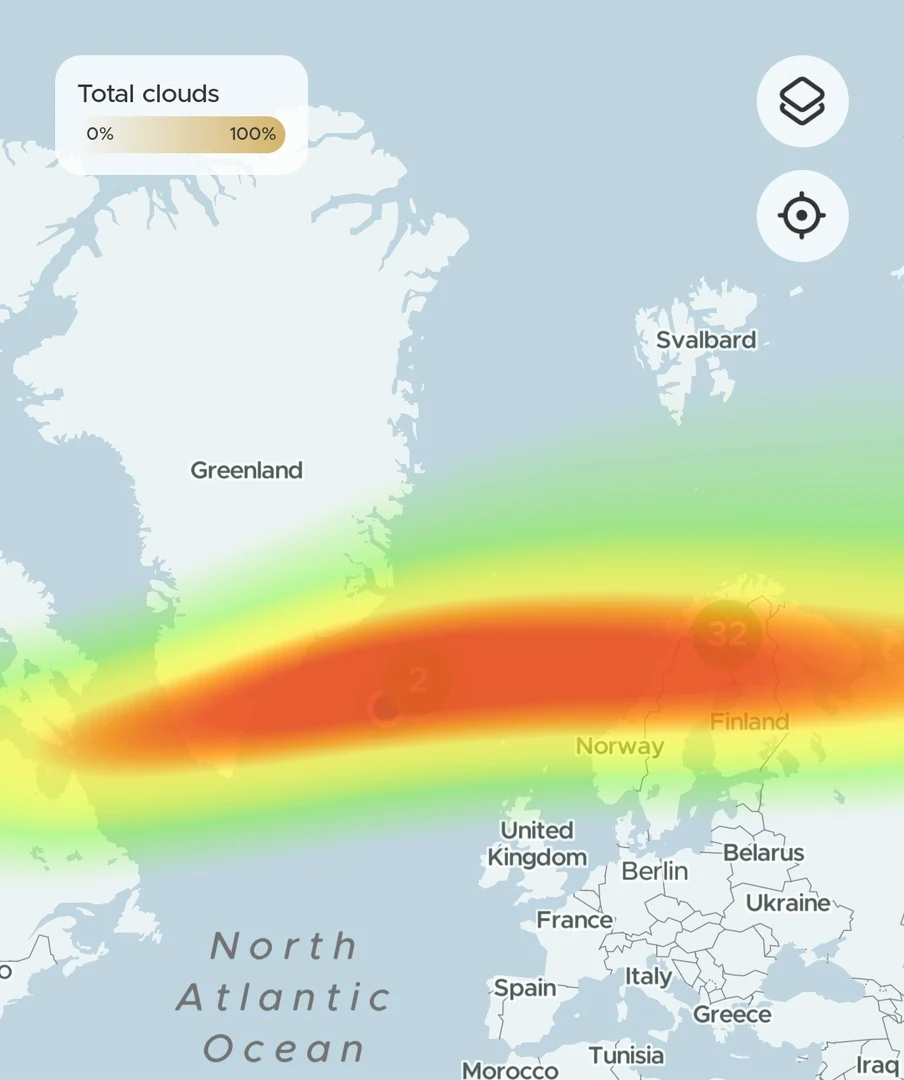
When looking for the northern lights, the activity level is only part of the story. Cloud cover matters just as much.
The Icelandic Meteorological Office’s aurora forecast combines auroral activity with cloud information. On its map, white indicates clearer skies and green indicates cloud cover.
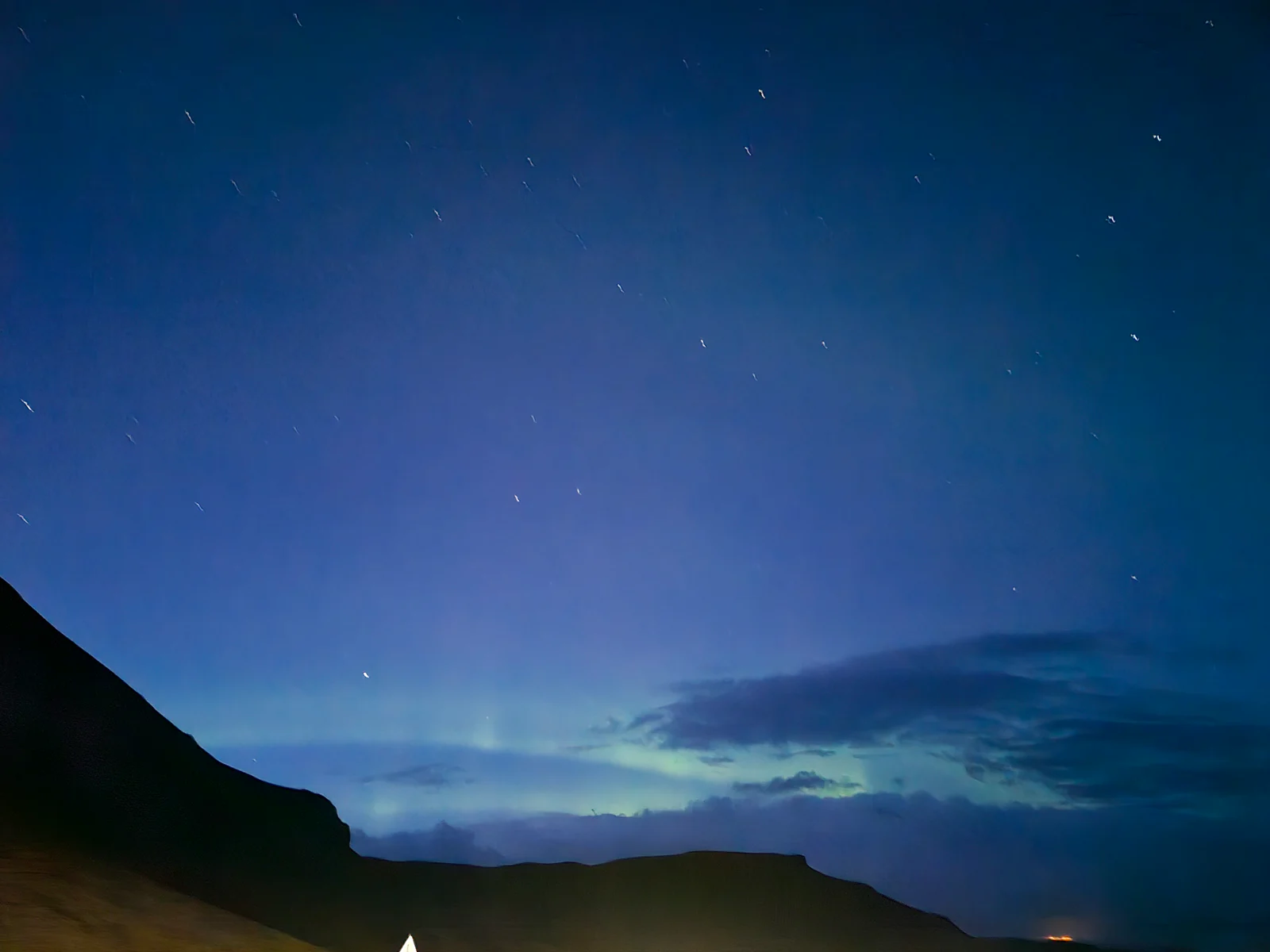
There were times when something that looked like a faint grey cloud to my eyes appeared much greener through a camera. If the forecast looks promising, it can be worth pointing a camera at the sky before deciding there is nothing there.
Lessons from driving the Ring Road
A rental car gave the trip much more freedom
Long, open stretches of Iceland’s Ring Road made a rental car feel like the right way to travel for me.
That does not mean the empty road is an invitation to drive fast. Current Icelandic official guidance gives common maximum limits of 30–50 km/h in urban areas, 80 km/h on gravel roads and 90 km/h on paved roads outside urban areas. Posted signs and actual weather and road conditions always come first.
Speed cameras can also be placed where they are not immediately obvious, so simply staying within the limit is the easiest approach.
Think about the next fuel stop before you need it
Some Ring Road sections have long gaps between fuel stations and supermarkets.
Instead of waiting until the tank is close to empty, I preferred filling up when a station was available before a long stretch.
Larger fuel stations can also be useful rest stops, often with toilets and basic facilities.
Build the itinerary with bad-weather delay in mind
Road closures and severe weather can prevent you from reaching the next region as planned.
A delay early in a Ring Road itinerary can affect several later hotel bookings, so I recommend leaving some buffer in the schedule and checking cancellation and change conditions when booking accommodation.
In Iceland, changing the route because of the weather did not feel like the trip going wrong. It became part of the trip itself.
PRACTICAL INFO
- Safety: Check SafeTravel Iceland for current alerts and travel-safety information.
- Weather: Use the Icelandic Meteorological Office (IMO / Veður) for regional forecasts and wind conditions.
- Roads: Check road openings, restrictions and surface conditions before long drives.
- Parking: Parka / EasyPark may be useful, but follow the payment instructions at each location.
- Aurora: Check cloud cover and darkness as well as the activity forecast.
- Common speed limits: 30–50 km/h in urban areas, 80 km/h on gravel roads and 90 km/h on paved roads outside urban areas; posted signs and current conditions take priority.
- Fuel: Check the distance to the next fuel stop before entering long rural sections.
- Schedule: Leave buffer for weather and road closures, and consider flexible accommodation conditions.
- Emergency number: 112.
- Info checked: 2026-08-31. Weather, road, safety and parking conditions can change in real time, so check again on the day of travel.